Mount Fuji Live Cam — Watch Japan's Highest Mountain Right Now
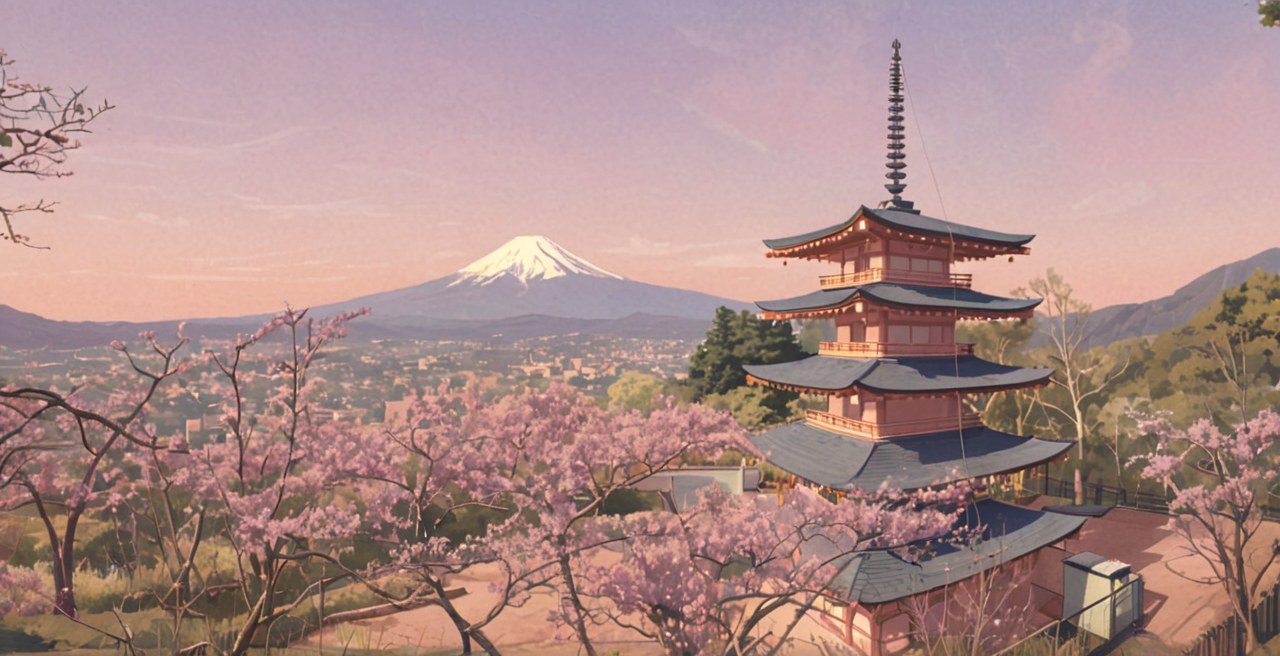
What you are seeing
Mount Fuji is an active stratovolcano on the island of Honshu, the highest mountain in Japan. It rises to 3,777 meters on the border of Yamanashi and Shizuoka prefectures, inside the Fuji-Hakone-Izu National Park.
- Active stratovolcano — its last eruption was the Hōei eruption of 1707.
- Highest in Japan — at 3,777 meters above sea level.
- Part of a UNESCO World Heritage Site — the mountain sits within Fuji-Hakone-Izu National Park.
Watch Mount Fuji live
Best time to watch
The feeds run around the clock, so the view changes with the hour and the weather. Mount Fuji often gathers its own cloud, which can hide the summit for hours. Clear early mornings and late afternoons tend to give the sharpest views. Check back a few times — the mountain can clear in minutes.
How to visit
The mountain stands inside Fuji-Hakone-Izu National Park, in the Yamanashi and Shizuoka prefectures. The towns around Lake Kawaguchiko sit at its northern foot, where most of the cameras on this page are placed. Mundo Vivo keeps these feeds organized so you can check the real view before you go.
Fuji by the numbers
- Elevation: 3,777 meters above sea level
- Coordinates: 35.36°N, 138.73°E
- Last eruption: Hōei eruption, 1707
- Country: Japan, island of Honshu
Frequently asked questions
Is Mount Fuji an active volcano?
Yes. Mount Fuji is classified as an active stratovolcano. Its most recent eruption was the Hōei eruption of 1707. That means the volcano is considered capable of erupting again, even though it has stayed quiet for more than three centuries.
How tall is Mount Fuji?
Mount Fuji rises to 3,777 meters above sea level, which makes it the highest point in Japan. The precise figure recorded on Wikidata is 3,777.24 meters. No other mountain in the Japanese archipelago comes close to that height, which is one reason the peak is so famous.
Where exactly is Mount Fuji?
Mount Fuji stands on the border of Yamanashi and Shizuoka prefectures, on the island of Honshu. Its summit coordinates are 35.36°N, 138.73°E. The mountain sits inside Fuji-Hakone-Izu National Park, roughly southwest of the Tokyo metropolitan area. The prefectural boundary runs right across the summit.
Is Mount Fuji a UNESCO World Heritage Site?
Yes. Mount Fuji is part of a UNESCO World Heritage Site, registered for its cultural and scenic value. It is also a Special Place of Scenic Beauty and a Historic Site of Japan. These designations sit alongside the mountain's natural status as a national park landmark.
What do the live cameras show?
The cameras frame Mount Fuji from around Lake Kawaguchiko, on the mountain's northern foot. On clear days you see the full cone above the lake and town; on cloudy days the summit can vanish for hours. The feeds run continuously, so the view changes through the day and across the seasons.
When did Mount Fuji last erupt?
The most recent eruption was the Hōei eruption of 1707. That event is recorded in Wikidata as one of the mountain's significant eruptions, alongside the earlier Jōgan eruption. No eruption has been recorded since 1707. This long quiet period is one reason the mountain feels like a calm, permanent landmark today, even though it remains an active volcano.